
Abundance in Ay Ay: Value Added Opportunities for St. Croix Farmers

Our core team recently wrapped up an incredible trip to the USVI and St. Croix was one of our stops. This visit was deeply personal for us, having a direct connection to the island makes the work mean so much more. We traveled to the US Virgin Islands with a clear mission: to see the current state of local farming, share information on NRCS practices and resources, talk about how to get more value out of native fruits and vegetables, and build partnerships that help the community feed itself completely and sustainably.
During the journey we had an impactful, gut wrenching minor glimpse into what our ancestor's experienced traveling by boat with the European transatlantic enslavement trade. Although we were only in a modern vessel for 2 hours, the rocky waters and feeling was not for the faint hearted - another nod to Kebuka (may we never forget!).
Upon arrival, Mama Uta of Afrika House (local African cultural center that offers educational workshops and community events rooted in Caribbean, Pan-African history/pride) linked us with local indigenous farmer, Brother Michael of ______ farm. He shared the island's indigenous Taíno name is Ay Ay, which translates to 'the river'.). Once the island was separated by a river that used to divide St. Croix, known as the Salt River, and marine life like manatees and dolphins would come in to feed and give birth and flow out. At some point it 'dried up'. Whether the "river" carried fresh water all the way across the island or just served as an inlet from the sea is debatable. What is known is the river cut deep inland and used to separate the island's two main geological formations, which is why the Taíno natives named the island Ay Ay. St. Croix's indigenous Carib name is Cibuquiera ('the stony land') and presently it's modern name, Saint Croix, is derived from the French Sainte-Croix, itself a translation of the Spanish name Isla de la Santa Cruz (meaning 'island of the Holy Cross') given by Christopher Columbus in 1493. The French name was partially retained under Danish rule as Sankt Croix, and the island was given its current spelling after the U.S. takeover in 1917.
Did you know: St. Croix's beauty and abundance has long been a prize to many who set sights on her land. This island has been colonized/ruled under seven different flags (Spain, England, the Netherlands, France, the Knights of Malta, Denmark, and the United States), the island actually changed colonial hands—via settlements, occupations, and transfers—11 times between 1625 and 1917. This has not dimmed the spirit of the native people who know their birthright. For those who call Ay Ay home, they are tirelessly working on retaining cultural wisdom and practices that restore planet, island and themselves.
Guided by Knowledge: Nyabinghi Farms & The V.I. Dept of Agriculture
Navigating the unique agricultural landscape of St. Croix requires local expertise, and we were incredibly fortunate to be guided by Tafari Tzaddi. As both a representative of the Virgin Islands Department of Agriculture and the visionary behind Nyabinghi Farms, Tafari brought an indispensable dual perspective to our tour. Walking the land with him allowed us to dive deep into the daily realities, systemic challenges, and immense opportunities facing Crucian farmers today. His dedication to sustainable stewardship is a testament to the future of farming on the island.
Cultivating the Next Generation: Sejah Farms
One of the most inspiring stops on our itinerary was Sejah Farms. Dale and Yvette Browne are the visionary founders and operators of Sejah Farm and founding members of one of our fav organizations, SAAFON. Beyond their impressive production, the highlight of our visit was seeing their vibrant youth program in active operation. There is nothing quite like watching the next generation dig their hands into the soil, learning the ancestral and practical value of sustainable agriculture. Sehjah Farms is not just growing food; they are cultivating young leaders, innovators, and future stewards of the land. Ensuring the youth are integrated into the agricultural sector is exactly how we secure long-term food security and climate resilience.
The Missing Piece: Turning Fresh Harvests into Year-Round Value
As we walked the beautiful, expansive fields that local growers are working so hard to manage, a major realization hit us: St. Croix is missing a huge opportunity to turn its fresh harvests into everyday products.
Crucian farmers are doing incredible work utilizing both small and large plots of land and making the most of island resources. But when local fruit trees like mango, avocado, soursop, and tamarind are in full bloom, everything hits the market at the exact same time. Without a way to process that food locally, a lot of that amazing fresh produce risks spoiling before it can ever be sold.
When the island builds up local processing meaning systems to turn extra fruit into things like jams, dried snacks, specialty flours, or frozen purées, it will completely change the game. It would stop food waste in its tracks, make the harvest last all year, and bring in steady income for farmers outside of peak seasons. Investing in this kind of setup is the best way to respect the hard work farmers are putting into the soil, ensuring every single harvest brings the highest possible value back to the community.
Taking to the Airwaves: Fresh from the Farm on WSTX 970 AM

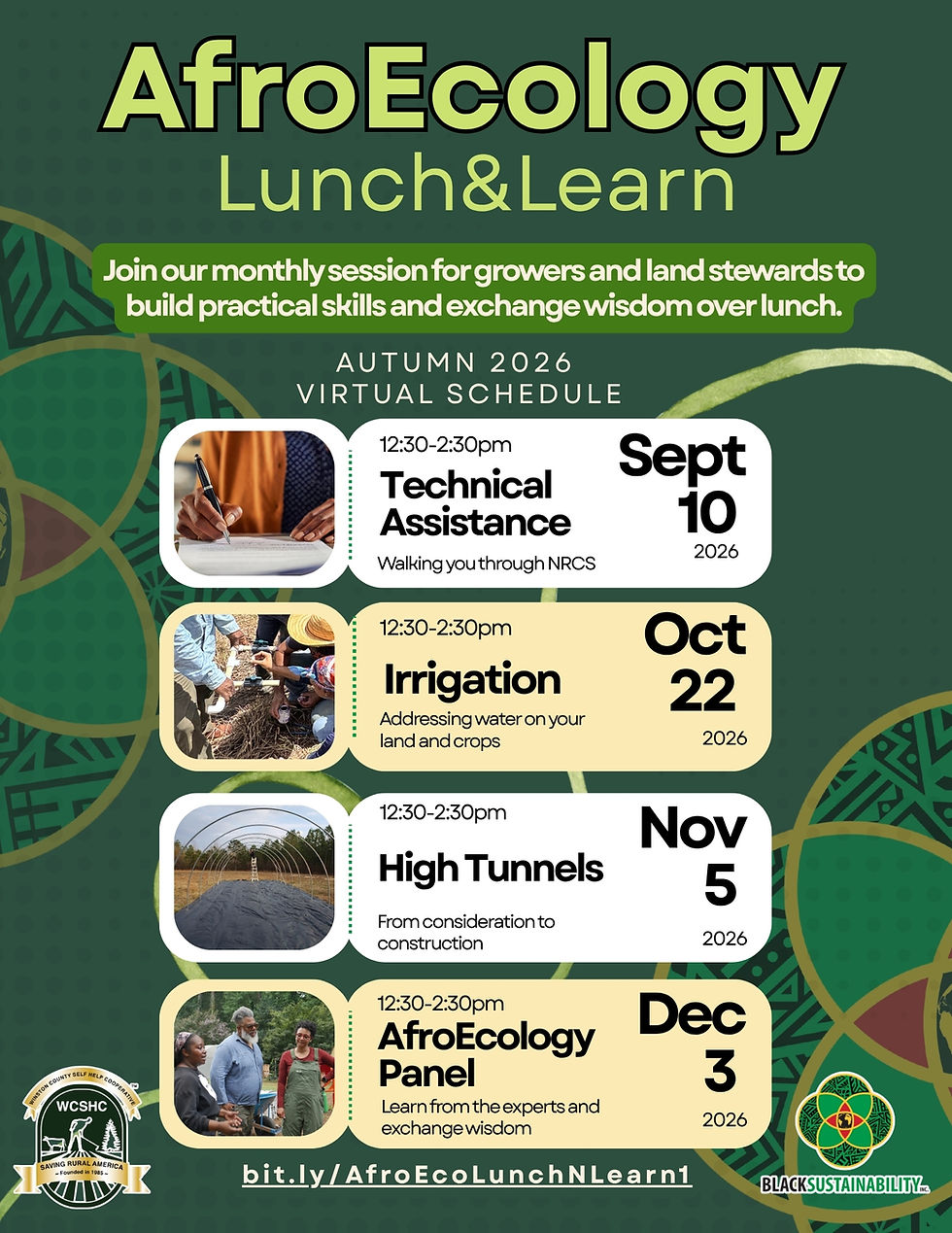
While on the island, we had the wonderful opportunity to amplify our mission across the airwaves! We joined the team on the Fresh from the Farm radio show on WSTX 970 AM to introduce Black Sustainability, Inc. (BSI) to the broader Crucian community. During the broadcast, we shared the core reasons behind our visit to the USVI and talked about the vital importance of building sustainable, regional food systems. It was the perfect platform to announce our upcoming AfroIndigenous Farming Practices & NRCS Virtual Session. Also, we had the pleasure of meeting the Dean and Director, School of Agriculture for the University of Virgin Islands, Dr. Usman Adamu speaking on the recent Caribbean Agricultural Conference.
A Sweet Taste of the Island: Mango Season!
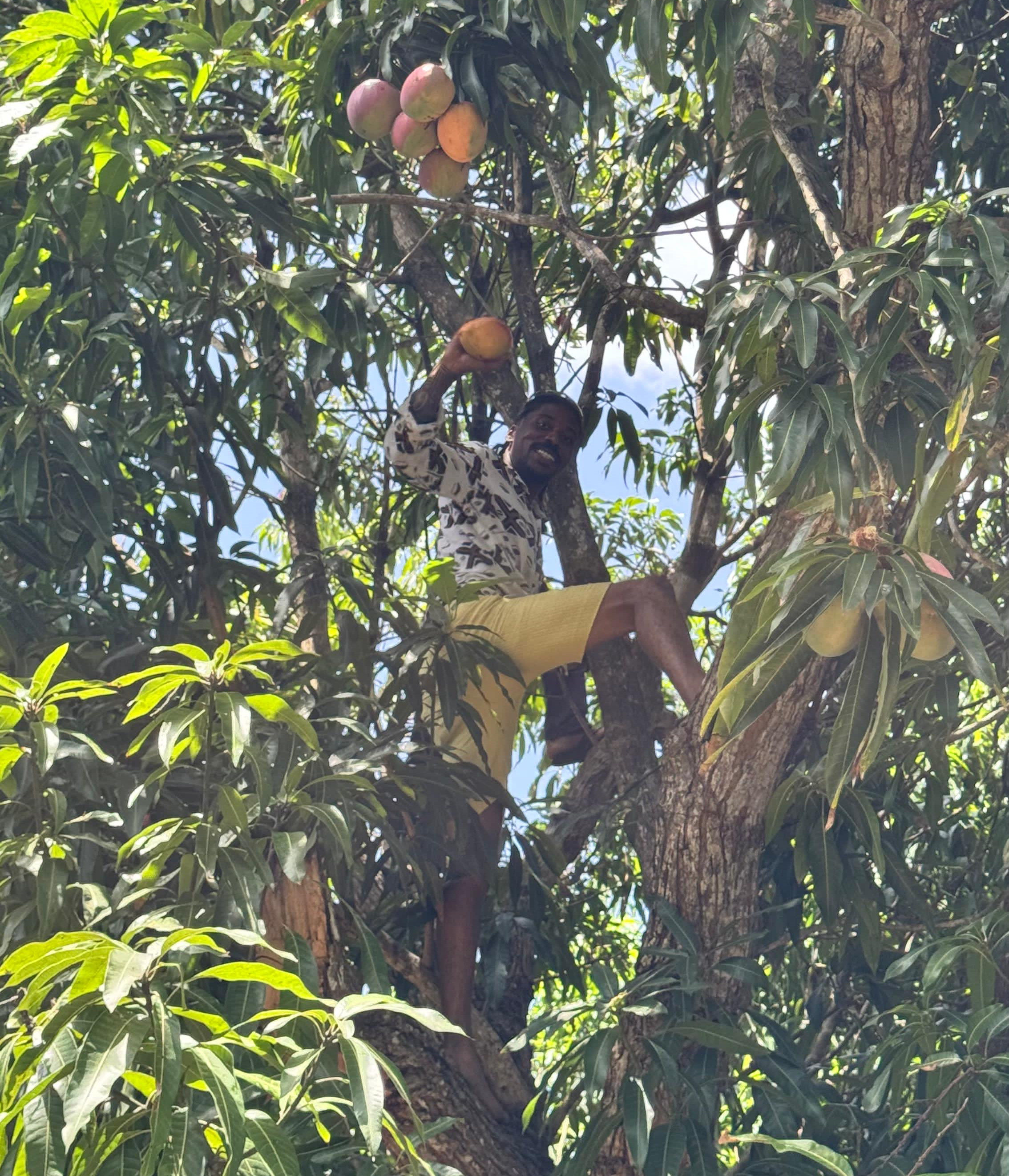
Of course, you cannot explore the agricultural richness of St. Croix without indulging in its natural bounty. We happened to arrive right as the island's famous mangoes were in full bloom. Tasting the incredible variety of fresh, local mangoes straight from the trees was an unforgettable, delicious treat. It served as a sweet reminder of the rich, untapped economic and nutritional potential locked within native crops.
Added Value Prospects: Exploring the Best Use of Raw Materials for Agricultural Profitability
Right now, when mangoes, soursop, or avocados are in season, the local market gets flooded all at once. If a farmer can’t sell them in a matter of days, that hard work goes to waste. The secret to turning this around is looking at these fruits not just as produce, but as raw materials for high-profit products. Think about it as a single pound of fresh fruit might sell for a couple of dollars, but if you process that same fruit into high-demand items, the profit margins skyrocket. By shifting the focus toward this type of production, the island can create an entirely new economy centered around agricultural manufacturing.
Post Production & Partnership Opportunities
To get these value-added products onto shelves, farmers need more than just a kitchen, they need a solid support system. This is where community partnerships come into play. We see huge potential for shared-resource models that take the financial burden off individual growers. Food sovereignty isn't just about growing the food, it's about owning the entire process from the seed to the shelf.
Conclusion
We left St. Croix inspired, with full hearts and a clear roadmap. We are excited to act as a bridge, connecting local farmers to broader networks, helper organizations, and funding. Thank you to everyone who welcomed us, shared their wisdom, and works every day to feed the Virgin Islands.


Comments